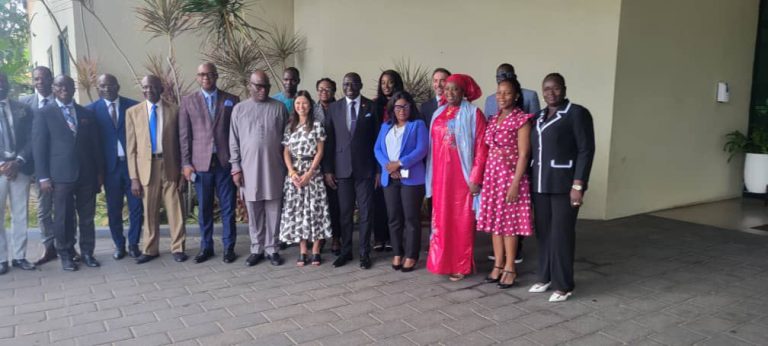
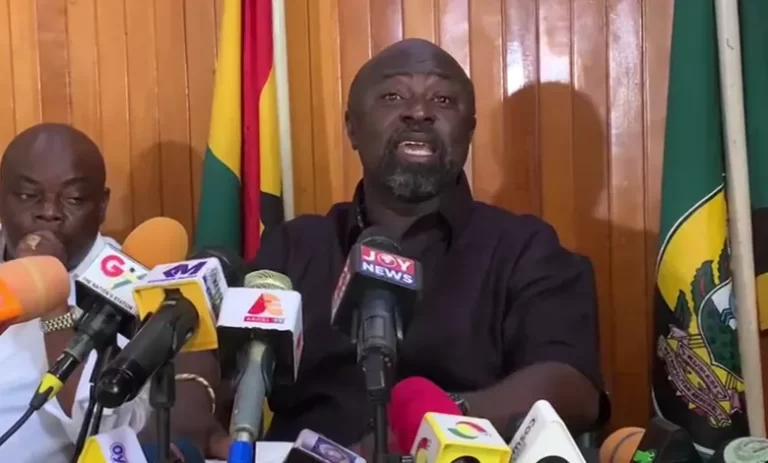
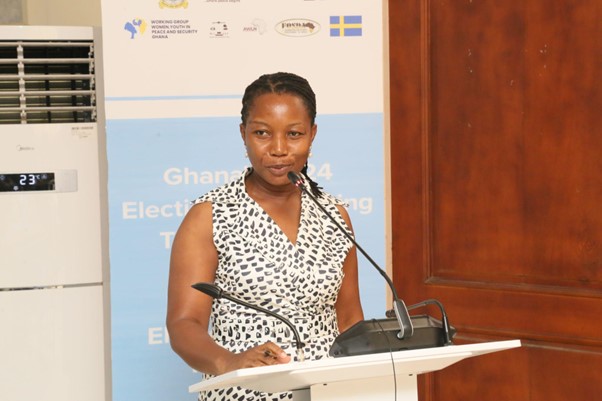
The Foundation for Security and Development in Africa (FOSDA) held its 3rd Edition of the
Multi-Stakeholder Dialogue on Domestic Revenue Mobilization on the theme: Enhancing
Internal Generated Funds (IGF) for Pro Poor Service Delivery at the Local Level.
Having deliberated over this year's theme in a Civil Society Organizations (CSO), forum it was
realized that;
a) The total revenue collected by 258 Assemblies in 2021 was GH452.9 million, accounting
for 21.4% of the total income of the Assemblies of GH2 billion. This represents a gap of
78.6%.
b) Government through the Ghana Revenue Authority (GRA) will in January 2023 roll out
the implementation of the Unified Property Rate Administration Platform to enhance
property rate collection at the local level and its accountability. It is a digital platform that
will be reviewed every 5 years.
c) An estimated amount of GH165.4 million is expected to be generated from the
implementation of the Unified Property Rate Collection platform in 2023.
d) Based on GRA's simulations of 8.8 billable properties, the following revenue can be
mobilized; a total revenue of 1.7 billion at a rate of GH200 per property; 2.6billion at
GH300 per property and 3.5 billion at GH400 per property.
e) 70% of the revenues will be transferred directly to the district assemblies through a
distribution account at no associated costs. The remaining 30% will go to GRA for
maintenance of the platform and other operational cost.
Since the announcement of the Unified Property Rate Administration Platform in the 2022 Budget
Statement and Economic Policy, CSOs and experts in local governance are not so enthused due to
historically heavy reliant of district assemblies on central government for financial support. The
expectation is for MMDAs to be self-reliant. As result, so may speculations and theories that have
emerged often linking the policy to recentralization of fiscal autonomy, disproportionate revenue
sharing agreements which is believed to have negative implications on pro poor service delivery
at the local level.
To this end, the CSOs have made the following recommendations;
1) The 70% that will be disbursed to the districts should be increased to 85% because the
Property Rate which the platform is currently targeting represents the largest contributor
to the districts revenue basket. It contributes over 54% of MMDAs internal revenue.
2) There should be adequate transparency with the platform to help right holders hold duty
bearers accountable with evidence.
3) The government should develop an exit strategy for the implementation of the Unified
Property Rate Administration Platform. This will transfer back total fiscal autonomy to the
districts which is believed to be shifting to Central Government.
4) The Service Delivery Indicators (SDI) scores of the District Performance Assessment Tool
(DPAT) should be adjusted to ensure that revenue from the platform is significantly
invested in pro-poor services.
In conclusion, it was agreed that, there should be increased transparency in the implementation of the
policy since more is yet be known about the Unified Property Rate Administration Platform. This is
the first time a policy of this nature in being implemented at the local level since the beginning of
Ghana's decentralization programme in the last 3 decades that gives fiscal autonomy to local
authorities.
Issued this day, Tuesday 6th December, 2022