According to UN Women statistics, one in every three women will experience physical or sexual violence in her lifetime, and 35% of women will experience physical and/or sexual intimate partner violence, sexual violence by a non-partner, or both at some point in their lives. According to the World Health Organization (WHO), nearly one in every five women aged 20 to 24 marry before the age of 18. These are just a few statistics that shed light on the global prevalence of sexual and gender-based violence (SGBV). In terms of reporting these issues, less than 40% of women who have experienced violence seek any type of help.
Violence against women and girls is a major source of concern that must be addressed because it is a widespread and pervasive violation of human rights. Violence against women and girls in Ghana is deeply rooted in a history of socio-cultural practices and traditions that elevate one sex over the other.
As a result, it is covered by the Women, Peace, and Security (WPS) agenda. Promoting the value of women also falls under the Participation, Prevention and Protection pillars of the Ghana National Action Plan based on UN Security Council Resolution 1325 on women's peace and security.
The WPS agenda involves safeguarding women and girls everywhere. It also aligns with our community's appreciation for equality and non-discrimination. Based on this, FOSDA discussed "Ending Gender Based Violence from the Perspective of Women, Peace, and Security" during the November edition of Talk WPS on 30th November 2022.
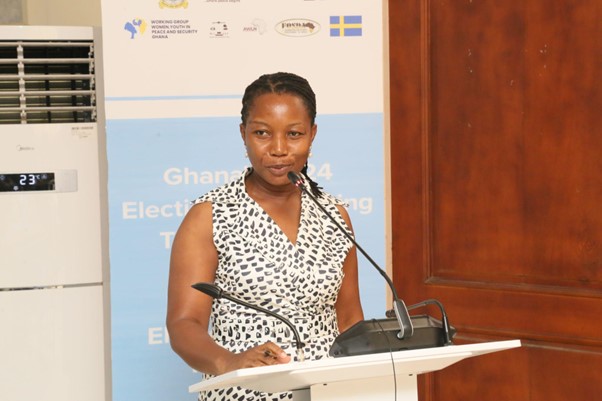
The discussions focused primarily on the various forms of SGBV and what is being done to end it from the perspective of a civil society organization, led by Ms. Gloria Kankam, GEP coordinator from WiLDAF. The topics discussed were also drawn from the perspective of a state institution led by Superintendent Lydia Okrah Osei-Agyapong of the Ghana Police Service's DOVVSU department.
According to Ms. Gloria Kankam, there is a need to continue having and broadening the conversation about ending violence against women so that we include all groups of women everywhere, including rural women, market women, and community women. She urged more civil society organizations to take action to educate these women about UNSCR 1325 and the National Action Plan on WPS, which refer not only to high escalation of conflicts but also to the pockets of conflict that exist within our communities.
Superintendent Osei-Agyapong stated that a crime is a crime regardless of culture or tradition, and she condemned socio-cultural norms that contribute to SGBV. She also encouraged everyone to be aware of such practices and continued to support the idea of involving women at the grassroots level, stating that, no single institution can fight the menace of gender-based violence alone. According to her, ending gender based violence requires collaborative efforts from everyone especially at the individual level. She concluded by reminding all of the theme for this year's 16-days campaign which is, 'UNITE to End Gender-Based Violence.'