The Africa Education Watch on Tuesday 18th October 2022, launched it's new Ghana Education Financing report with support of from Oxfam in Ghana. The report which provides information on the financing of education in Ghana focused primarily on equitable financing in the education sector. The report highlights budgets and expenditure in key areas of education including; education spending and Ghana's GDP; Infrastructure financing by the GETFund; secondary and basic education financing trends TVET Financing; financing of Special and Inclusive Education; complementary education for out-of-School Children among others.
With regards to TVET the report concludes that 'Ghana continues to invest in the modernization of TVET infrastructure with state-of-the-art facilities while introducing new market led curriculum and pathways. While in nominal terms the amount spent on TVET increased by 67 per cent from GHC 481 million in 2016 to GHC 709 million in 2020, the share of education expenditure to TVET declined from 5.3 per cent in 2016 to a low of 1.3 per cent in 2018 before inclining to 4.0 per cent in 2020.'
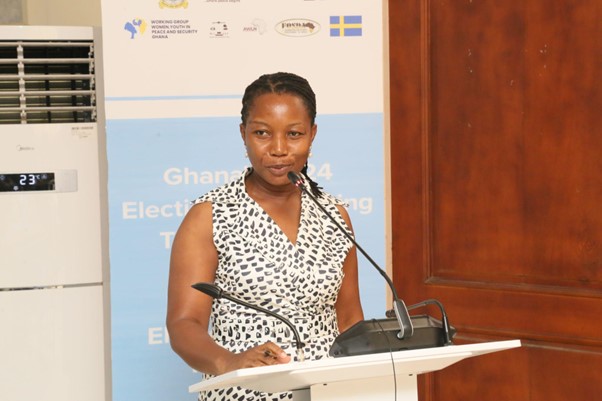
Commenting on the TVET section of the report during the launch, the Executive Director of FOSDA, Mrs Theodora W. Anti said that though Government is making strides in the TVET sector, there is the need for to increase domestic financing to transform the Sector. She said TVET is well regarded as a key sector the can contribute significantly to reducing youth unemployment in Ghana as well as reduce the security threats and implications of youth unemployment to Ghana and Africa.
Mrs Anti said the current education system has aligned all TVET institutions to the Ministry of Education. This has increased the number of technical institutions under the Ministry of education and increased TVET student to over 44, 000. 'This is an impressive development but more must be done to increase the number of students in the sector. She also indicated the critical need for government to increase the funds allocated per student for practical work which is currently woefully inadequate for quality training.